Get Home Addition Installation
Home addition installation services help property owners expand or improve their homes by adding rooms, garages, or other structures through experienced local contractors.
Home addition installation services provide a practical way for property owners to expand and customize their living spaces. Whether considering an extra bedroom, a home office, or a recreational area, many in the community explore these projects to better accommodate their evolving needs. Planning a home addition involves careful consideration of design, structural requirements, and integration with existing spaces, making it important to work with experienced local contractors who understand the area's building standards and regulations.
For those interested in pursuing a home addition, comparing local service providers can help identify the best options for your project. Local contractors bring valuable insight into the unique characteristics of the area and can assist with planning, permitting, and execution. Continuing to explore available services ensures property owners can make informed decisions about expanding their homes to suit their lifestyle and property goals.
- Home addition installation - when homeowners want to expand their living space to accommodate a growing family or new lifestyle needs.
- Second-story additions - for those seeking to increase square footage without expanding their property's footprint.
- Garage conversions - when a garage needs to be transformed into a functional living area or extra bedroom.
- Sunroom or extension builds - for clients looking to add a bright, extra room that enhances their home's usability.
- Bump-out additions - to create extra space in specific rooms without a full-scale addition.
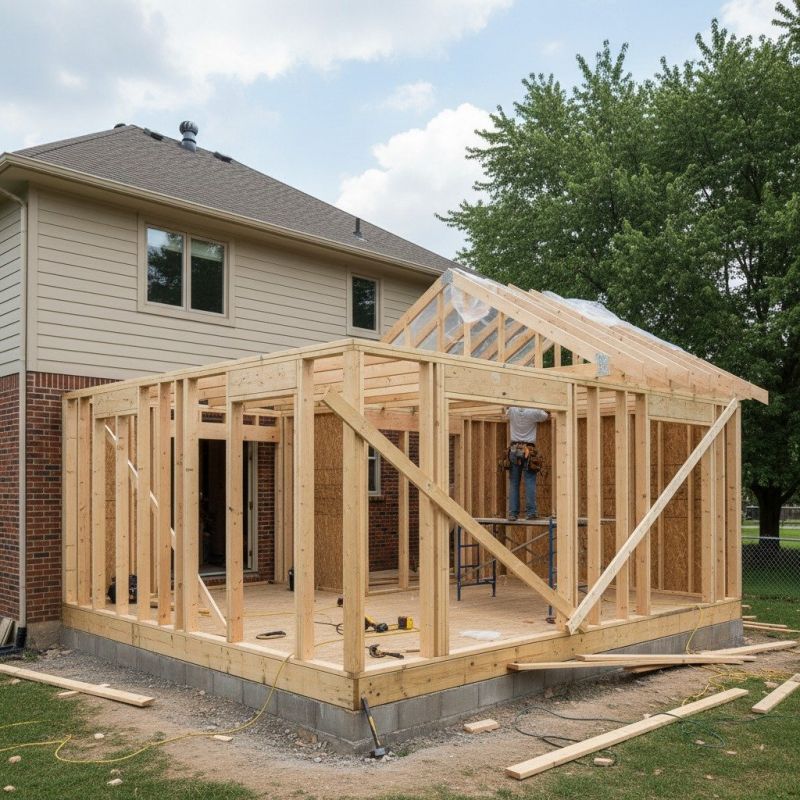
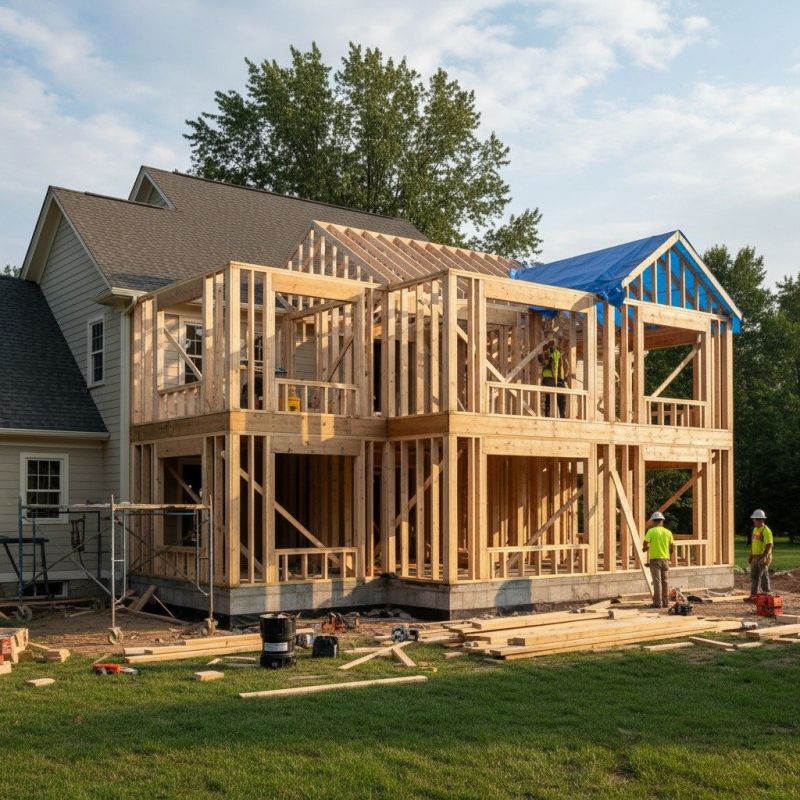
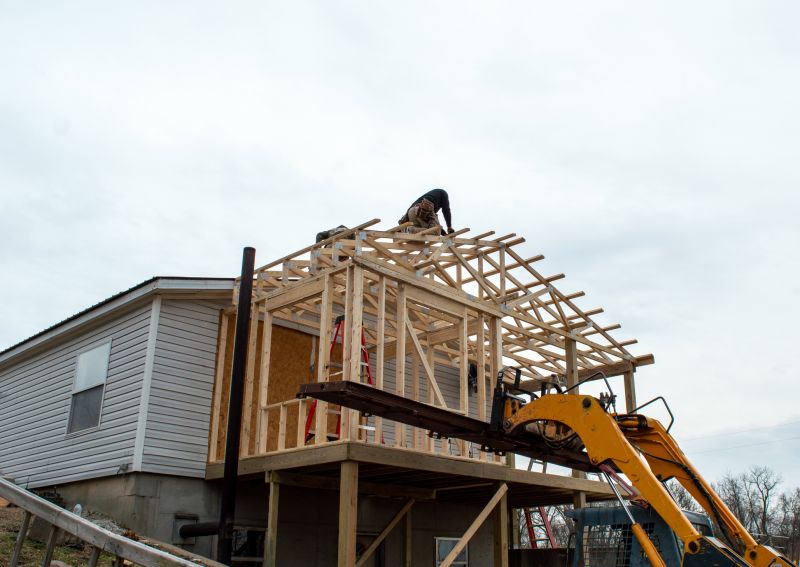
Home addition installation services involve expanding existing properties by constructing new spaces that seamlessly integrate with the current structure. This can include building extra rooms such as bedrooms, home offices, or sunrooms, as well as enlarging kitchens or living areas. The process typically involves planning the design, obtaining necessary permits, and executing construction to ensure the new addition matches the style and layout of the existing home. These services help homeowners create more functional living space without the need to move, allowing for greater comfort and flexibility within the current property.
Many homeowners turn to home addition installation services to resolve issues related to space constraints. For example, families experiencing growth may need additional bedrooms or bathrooms to accommodate new members. Homeowners working from home might seek a dedicated office area to improve productivity. In some cases, expanding living areas can improve the overall flow and usability of a home, making daily routines more convenient. These services are also useful for upgrading or modernizing older homes that no longer meet current needs, helping to enhance both comfort and property value.
Typically, home addition installation services are used for a variety of property types, including single-family residences, townhouses, and certain multi-unit buildings. Larger homes often benefit from added square footage to create more spacious living environments, while smaller homes might use additions to incorporate essential rooms that were previously missing. Properties located in areas with strict zoning or building codes may require careful planning and compliance, which local service providers are experienced in managing. Regardless of the property type, these services are designed to tailor solutions that fit the specific layout and goals of each homeowner.
Home addition installation services are ideal for homeowners who need more space to accommodate lifestyle changes or improve their property's functionality. Whether expanding a home’s footprint to include a new bedroom, creating a dedicated entertainment room, or enlarging existing rooms for better comfort, local contractors can handle the job. These services help solve problems related to cramped living conditions, outdated layouts, or the need for additional functional areas. Contacting experienced service providers can help determine the best approach for expanding a property, ensuring the new space integrates smoothly with the existing structure.
The overview below groups typical Home Addition Installation projects into broad ranges so you can see how smaller, mid-sized, and larger jobs often compare in your area.
In many markets, a large share of routine jobs stays in the lower and middle ranges, while only a smaller percentage of projects moves into the highest bands when the work is more complex or site conditions are harder than average.
Smaller Additions - Basic home additions like a small bump-out or bump-up typically cost between $10,000 and $30,000. Many projects in this range involve simple designs and straightforward installations, while larger or more complex jobs can exceed $40,000.
Moderate Extensions - Mid-sized home additions, such as a new bedroom or expanded living space, generally fall between $30,000 and $70,000. Most projects in this band are routine, with fewer reaching into the higher $70,000+ range for custom features or structural complexity.
Full Home Additions - Larger, more comprehensive additions like second-story expansions or major renovations often cost $70,000 to $150,000 or more. These projects tend to be more complex, with only a smaller percentage pushing into the $150,000+ range.
Full Replacement or Major Renovation - Complete home expansions or major structural overhauls can reach $150,000 and above, depending on scope and materials. Such projects are less common and typically involve extensive planning and customization, leading to higher costs.
Actual totals will depend on details like access to the work area, the scope of the project, and the materials selected, so use these as general starting points rather than exact figures.
Basement Finishing - local contractors skilled in framing, electrical, and drywall installation can help transform unfinished basements into functional living spaces similar to home additions.
Garage Conversions - converting garages into living areas involves planning, carpentry, and electrical work comparable to expanding a home with new rooms.
Sunroom and Patio Enclosures - building sunrooms or patio enclosures requires structural framing, insulation, and window installation skills akin to those used in home additions.
Second-Story Additions - adding a second story involves complex planning, foundation work, and framing, paralleling the skills needed for larger home expansion projects.
Interior Remodeling - interior renovations like creating open floor plans or adding new rooms utilize similar planning, carpentry, and finishing skills as home addition installations.
Structural Reinforcement - services that involve underpinning or strengthening existing structures require expertise in framing and planning comparable to home extension projects.
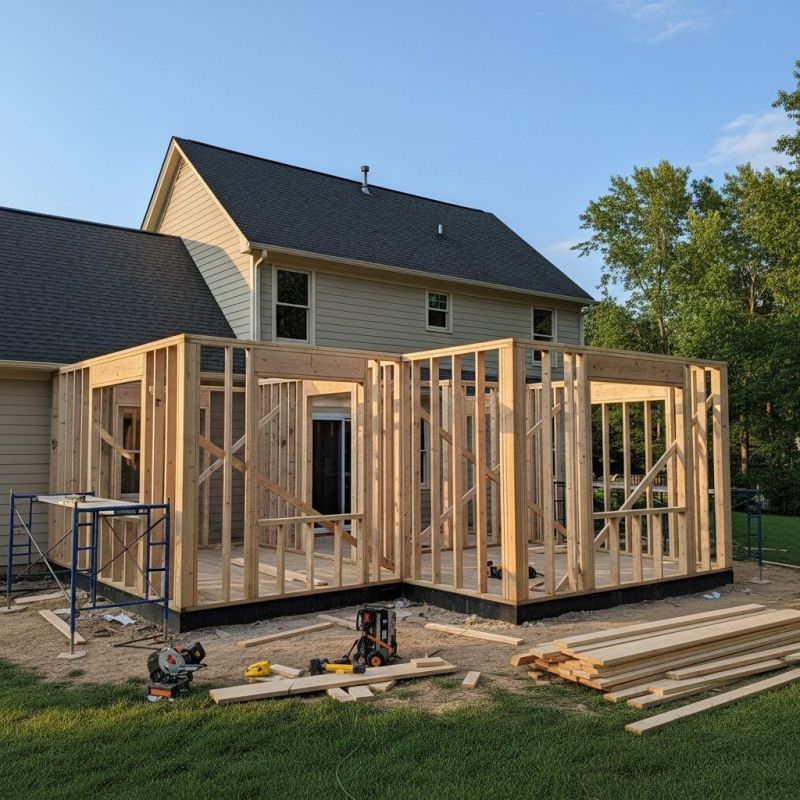
When comparing service providers for home addition installation, it’s important to consider their experience with similar projects. A contractor’s familiarity with adding spaces like extra rooms, extensions, or custom layouts can indicate their ability to handle the unique challenges such work presents. Homeowners should inquire about the types of additions the contractor has completed in the past and look for those who have a proven track record with projects comparable in scope and complexity. This helps ensure that the chosen professional understands the specific requirements and can deliver results that meet expectations.
Clear, written expectations are essential when selecting a local contractor for a home addition. Pros who provide detailed proposals or contracts outlining the scope of work, materials, and responsibilities help create a transparent process. Homeowners should look for service providers who communicate openly and provide documentation that clarifies what will be done, how it will be approached, and any other relevant details. This clarity reduces misunderstandings and helps establish a solid foundation for the project from the outset.
Reputable references and good communication are key factors in choosing a reliable home addition contractor. Pros who can provide references from previous clients or showcase examples of completed projects demonstrate their credibility and the quality of their work. Additionally, responsive and clear communication during the inquiry process indicates professionalism and a commitment to customer service. Homeowners should prioritize service providers who listen carefully, answer questions thoroughly, and maintain open channels of communication throughout the project, ensuring a smoother experience from start to finish.
Property owners use Home Addition Installation services for practical projects around their homes and businesses. This guide focuses on everyday jobs and straightforward project options.
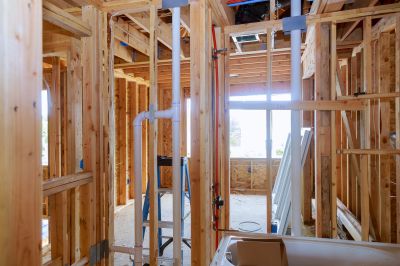
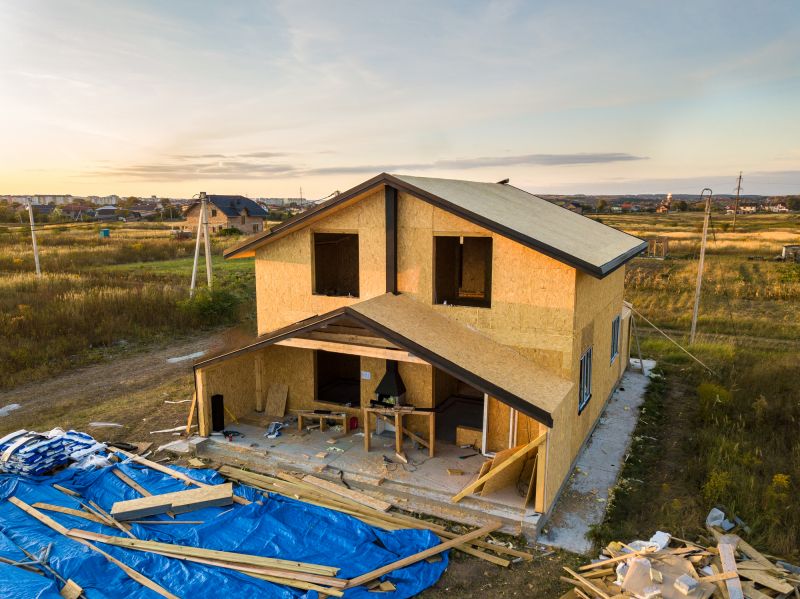
Homeowners often seek home addition installation services when their household needs expand or when extra space becomes necessary for daily activities. Whether it's adding a new bedroom, extending the living area, or creating a dedicated home office, local contractors can help transform existing spaces to better suit changing needs. These projects are common in neighborhoods where families are growing or where property owners want to enhance their home's functionality and comfort without the hassle of relocating.
Property owners might also look for home addition services to improve property value or to optimize the use of their land. Simple renovations, such as finishing a basement or building a sunroom, are popular ways to increase usable space and make a home more enjoyable. Local service providers can assist with these projects, offering expertise in seamlessly integrating new structures with existing ones to meet the specific goals of each property owner.
What types of home additions can local contractors handle? Local service providers can assist with various home additions, including room expansions, garage conversions, sunrooms, and extra bedrooms to suit different needs.
How do I start planning a home addition project? Contact local contractors to discuss your space requirements and ideas, so they can provide guidance on design options and feasibility.
Are there any common challenges during home addition installations? Challenges may include space constraints, structural modifications, and integration with existing systems, which local pros can help address effectively.
What should I consider before adding a new room to my home? Consider the purpose of the space, compatibility with existing layout, and any necessary permits or building codes that local service providers can advise on.
How can I ensure my home addition matches the existing architecture? Working with experienced local contractors ensures design consistency and aesthetic harmony with your current home style.
Home Office Expansion - A property owner can add a dedicated workspace to accommodate remote work or study needs with the help of local contractors.
Guest Room Addition - Building an extra bedroom provides a comfortable space for visitors or family members to stay overnight.
Garage Conversion - Transforming a garage into a livable area offers additional space for a hobby room, gym, or small apartment.
Sunroom Installation - Adding a sunroom creates a bright, relaxing area to enjoy natural light throughout the year.
If you are thinking about Home Addition Installation for a property, this guide is meant to help you understand the work, the typical project types, and how different options might fit your plans.
When you are ready, you can use the quote form on this page to share a few details about your project. From there, local pros can review the basics and respond with options that match what you have in mind.